Project lead
Clarifies brief, decision makers, timeline, project type, location, scope and the most useful next step.
The GEORGE team is presented by responsibility rather than decoration: design direction, 3D visualization, material and FF&E coordination, custom work, logistics planning and client communication.
It is a coordinated project partner for clients who need design decisions to stay connected after the first visual presentation.
Clarifies brief, decision makers, timeline, project type, location, scope and the most useful next step.
Shapes spatial mood, proportion, layout priorities, visual hierarchy and style consistency.
Builds scenes that help the client understand material relationships, lighting mood and room experience.
Connects finishes, furniture, lighting, fabric, custom pieces and replacement logic.
Reviews custom furniture, joinery, millwork and detail intent against the approved design direction.
Considers packing, shipping, arrival sequence, site handoff and practical delivery notes.
When the project changes, the change should be visible to design, material and delivery thinking. That is the point of a coordinated studio.
Client goals, location, drawings, photos, services and timeline are collected.
Design language, references and priorities are narrowed into a usable path.
3D scenes test the atmosphere and the relationship between key elements.
Materials, FF&E and custom pieces are organized for review and next action.
Movement, packing, handoff and follow-up are considered before final commitment.
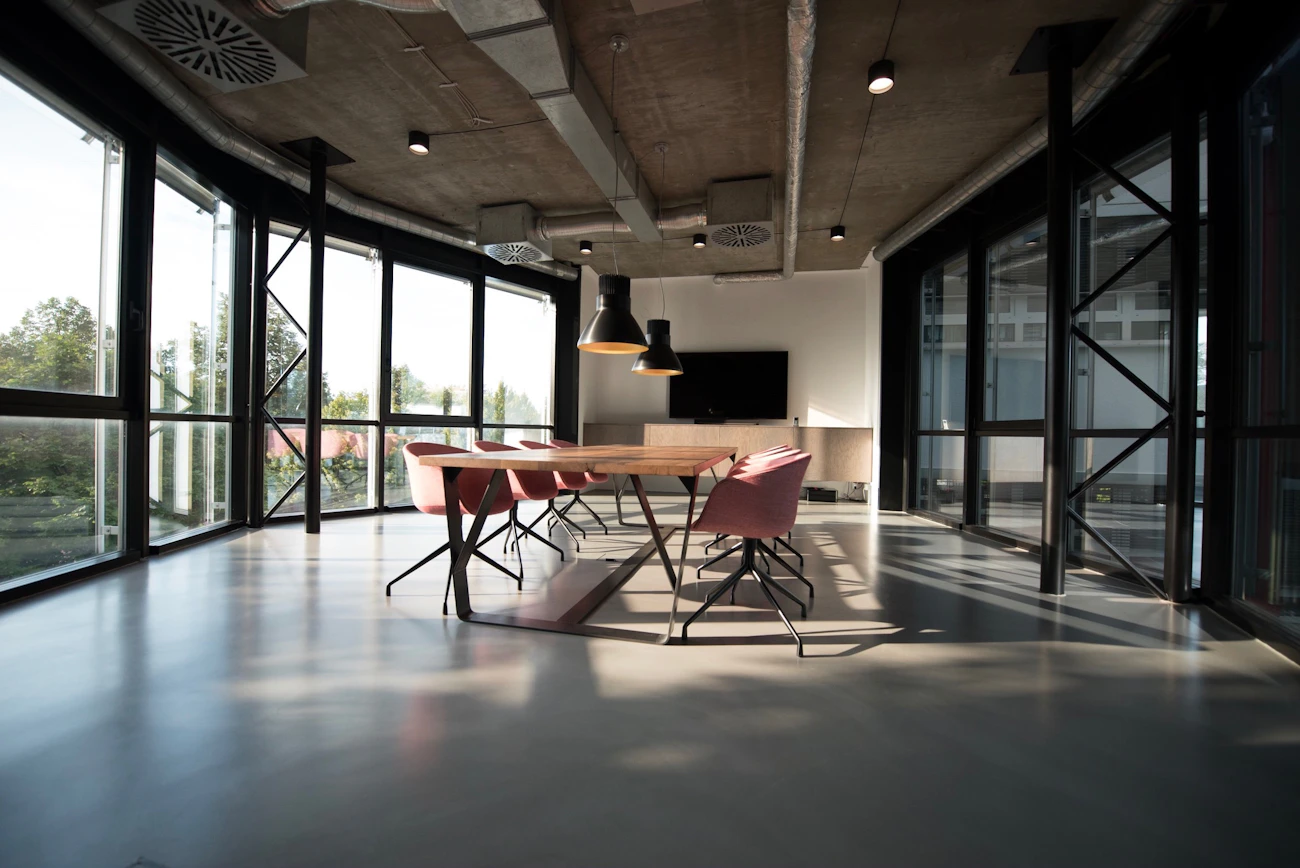
The client knows what is being reviewed, who is responsible and what decision comes next.
A villa owner may begin with 3D and materials. A hotel project may need FF&E and custom supply. A developer may need exterior, public-area interiors and delivery planning. The team structure lets GEORGE scale the conversation without losing the original intent.
The important part is that the same design memory travels across the project. A sofa is not chosen separately from the room. A stone is not selected separately from lighting. A custom piece is not produced separately from delivery risk.
View the design-to-delivery processEven a rough brief is enough if it includes the right signals. The team can then recommend the correct sequence instead of forcing the client into a generic package.
Share the project type, location, current stage and what you need help deciding. The next step can be scoped around your real project conditions.
