Set the right scale
Furniture, lighting and artwork are sized to the room, ceiling height and wall space.
Clean lines, bold furniture, art and color create a home that feels fresh without looking too busy.
We balance scale, contrast and repeated details so each room has its own character while the whole home stays connected.
Furniture, lighting and artwork are sized to the room, ceiling height and wall space.
Light and dark finishes are balanced so the room feels clear, not flat or heavy.
A few shapes, colors and details are repeated to create one clear direction across the home.
We plan the spaces as one home, then connect the approved design with real materials, custom products and FF&E.
Living areas, kitchens, suites, bathrooms and outdoor spaces follow one clear design direction.
Layouts, built-ins and furniture are coordinated to use space well and keep important views open.
Existing rooms are updated with a new layout, finishes and products that work together.
Design, product selections and specifications are prepared for show homes and repeat units.
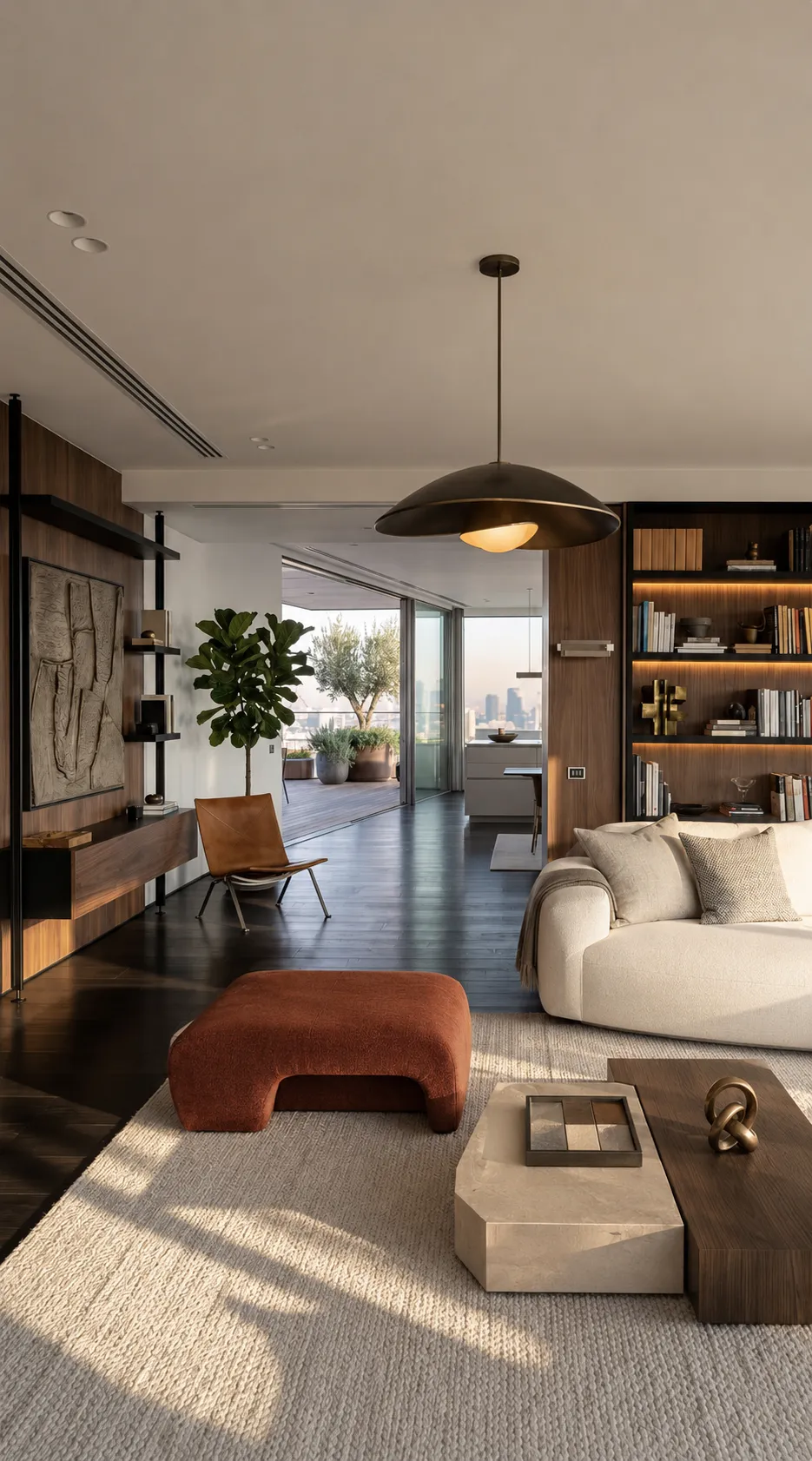
Confirm circulation, furniture placement and how the main spaces connect.
Review ceiling details, feature walls and the main view in each room.
Approve kitchens, wardrobes, vanities and other built-in pieces.
Check the main lights, task lights and feature lights in each room.
Confirm the size, position and style of key furniture, rugs and accessories.
Match approved finishes and custom items with real products for quotation.
Morning routines, family time, work, guests and quiet moments all need the right space.
Materials, custom products and furniture are selected room by room, then prepared for quotation, production and delivery.
Colors, sizes and finishes are matched to the approved design.
Built-in products are detailed for quotation and production.
Sizes, finishes and hardware are coordinated with the supplied drawings.
Bathroom products are selected as one complete set.
Fixtures are matched to the ceiling plan and the way each room is used.
Furniture, rugs, curtains and accessories are grouped by room.
You review each step before we move into quotation, production or shipping.
Send your floor plan, room list, location, style references and timeline.
We develop the layout and key rooms, then revise the design with you.
Confirm the materials, custom products and furniture for each room.
Receive a room-by-room quotation for the confirmed project scope.
We coordinate production, quality checks, packing and shipping.
Compare the approved 3D design with the completed space to see how the layout, materials and furniture carry through.
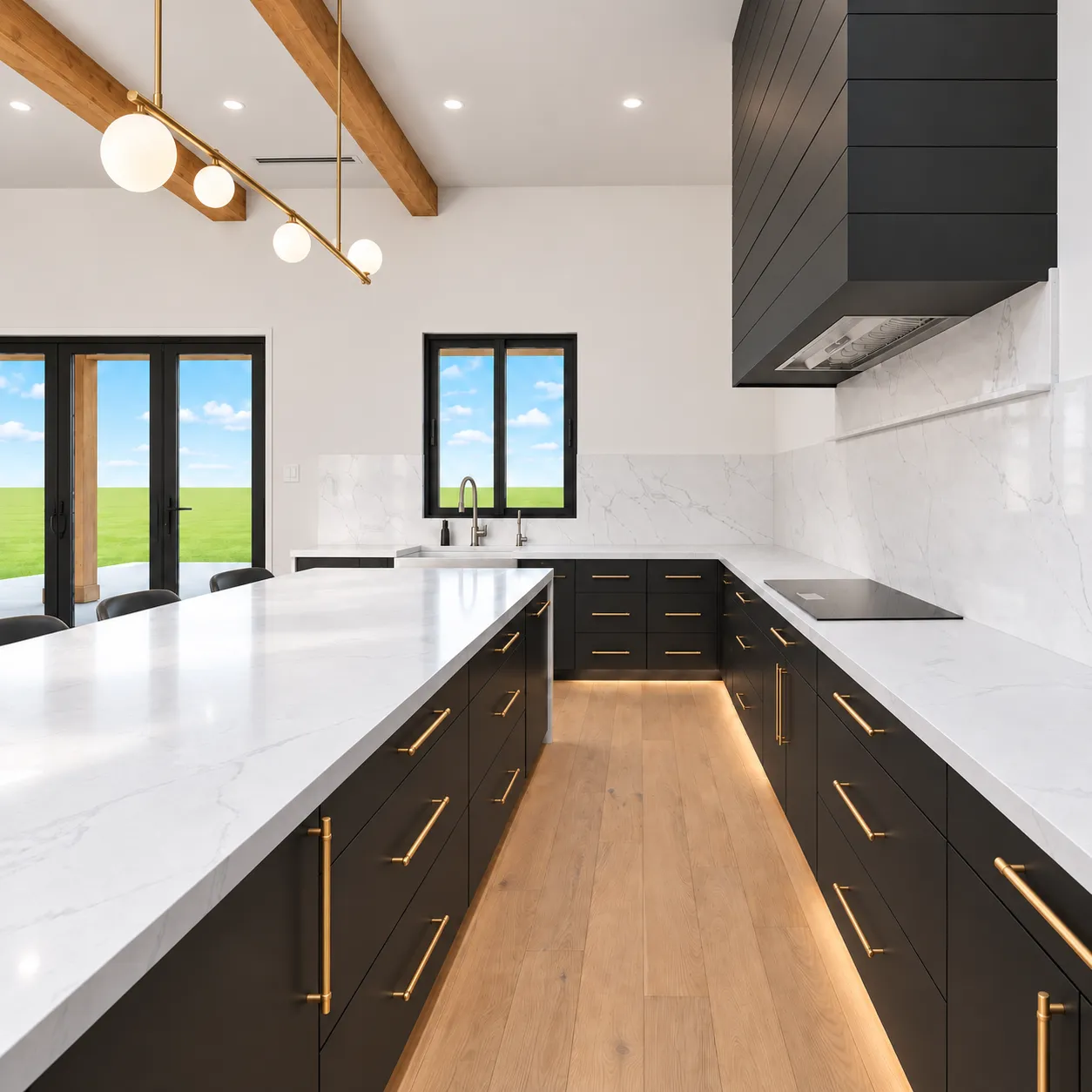
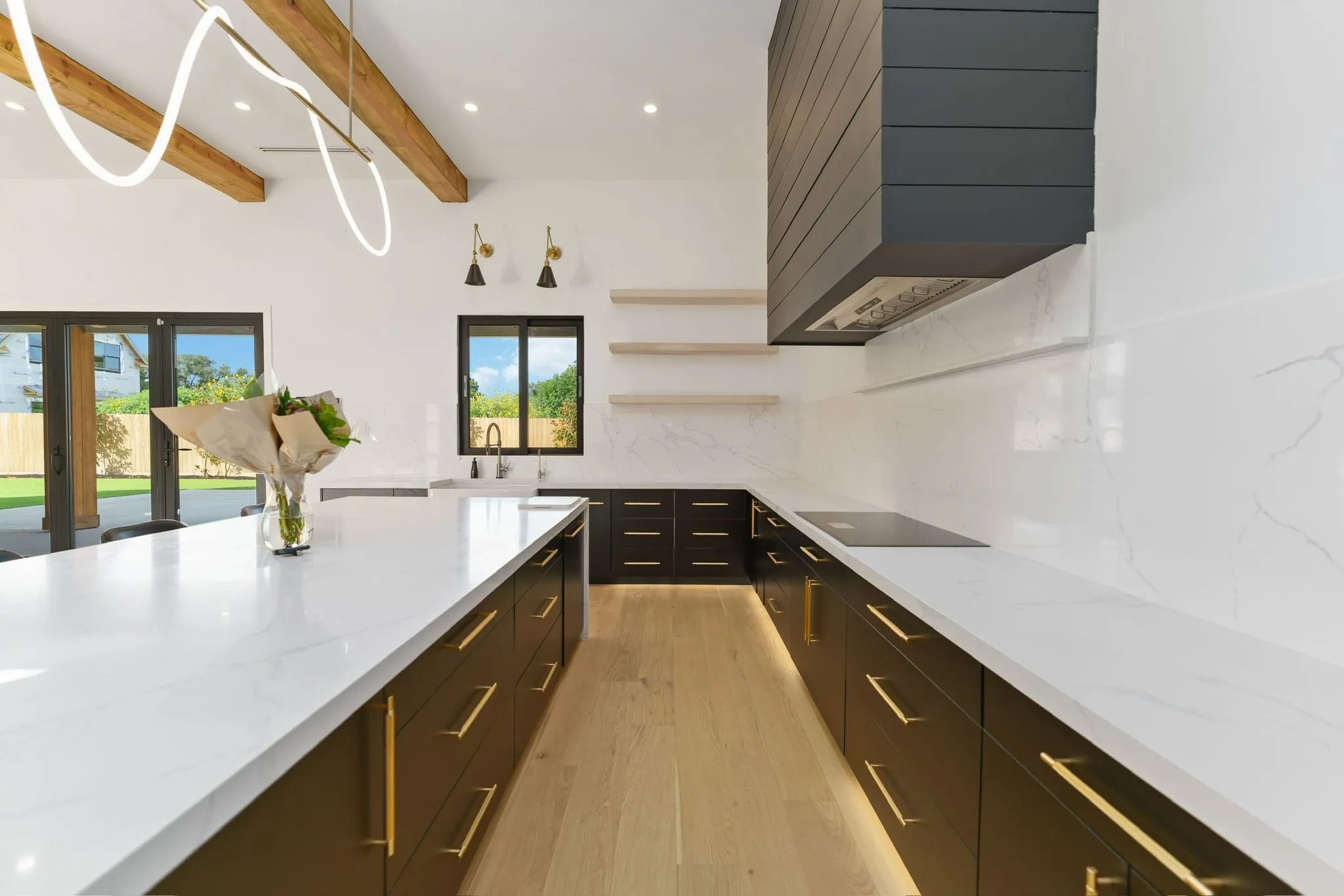
Find the right service and information for your project.
Practical answers about style direction, open layouts, furniture, lighting, and custom joinery.
Contemporary interior design reflects current preferences and can change over time, while modern design usually follows a more defined visual direction. See modern residential interior design when a more disciplined, minimal approach may suit the home better.
No. Open layouts are common but not required. Contemporary design can work in separate rooms when circulation, furniture scale, natural light, and storage are planned as one connected home.
Contemporary furniture design uses clean lines and current forms while responding to how a room is used today. The right pieces balance comfort, proportion, and material texture so the space feels calm without becoming flat or generic.
Plan lighting while room layouts and ceiling details can still change. A 3D design review can help test furniture positions, task areas, artwork, and finish samples before fixtures are selected.
Custom joinery is most useful when it solves a specific storage, circulation, or proportion problem that freestanding furniture does not solve as well. Discuss kitchens, wardrobes, vanities, and wall systems during material and FF&E planning, then keep loose furniture where flexibility matters more.
Send the location, property type, room list, design stage and whether you need concept design, 3D visuals, materials, custom joinery, FF&E or delivery support.
